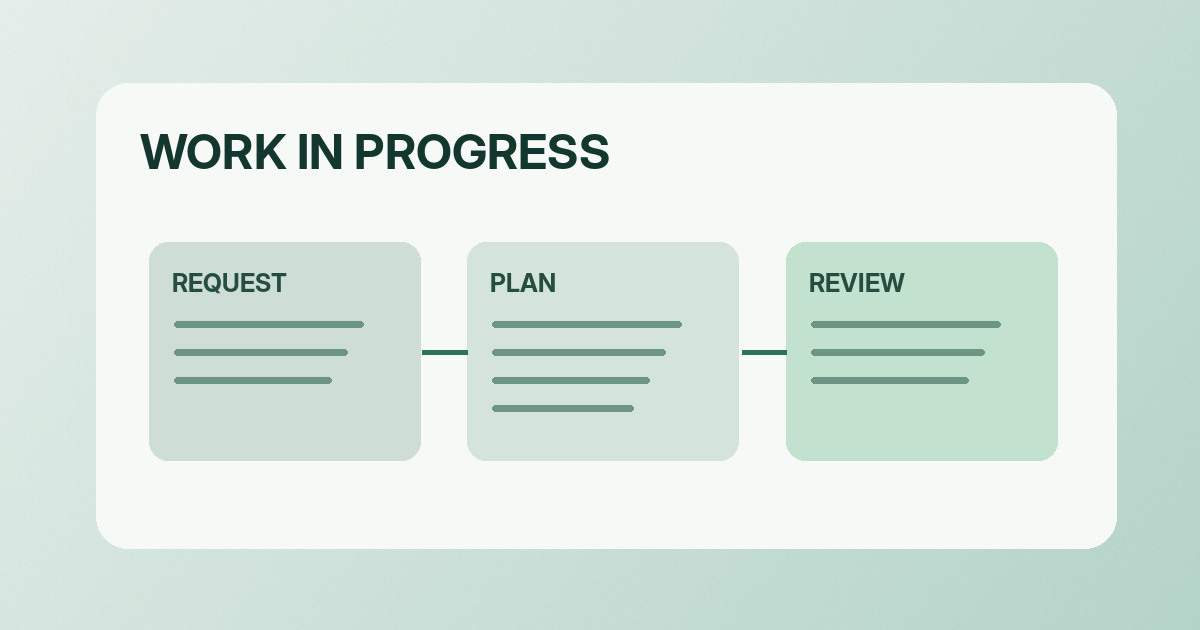
AI assistants began moving from giving instructions to carrying out multi-step tasks.
OpenAI’s July 2025 launch of ChatGPT agent described a system that can carry out multi-step tasks with tools. That made the everyday AI conversation about permissions and delegation as much as language quality: completing a workflow requires deciding what may be touched.
The 2025 announcement brought browser actions, research and multi-step tasks into a single assistant. The story below separates the announcement from its broader implications and limitations.
Three things to know
- 01OpenAI introduced ChatGPT agent in July 2025.
- 02The launch combined a virtual computer with tools for researching and taking actions.
- 03The original announcement is historical and links to newer agent products.
The original OpenAI announcement is linked below and is dated 2025-07-17. This article distinguishes that primary-source record from editorial interpretation. See the announcement
Even a successful demonstration is not authorization for uncontrolled action.
What does that actually mean?
Instead of describing how to gather information from several pages, an agent may navigate them and return a structured result.
What actually happened
OpenAI introduced ChatGPT agent in July 2025. The launch combined a virtual computer with tools for researching and taking actions.
The initial 2025 system brought a virtual computer together with research and tool use. OpenAI later changed the surrounding product landscape, so the launch document is best treated as a historical milestone.
Why this matters
The shift from answering to acting sounds small, but it changes the expectations of reliability. A wrong answer is one thing; an incorrect action in a browser or document is another.
Acting in external systems requires safeguards against misleading website instructions, accidental disclosure, mistaken purchases and unwanted edits. Those risks go beyond ordinary answer quality.
What to be careful about
Features and availability described in the original launch are not a reliable statement of what is available now. Present-day users should refer to current product information.
What to watch next
For any action-taking assistant, evaluate how it confirms intent, separates trusted instructions from page content and recovers after a failed step.
Test navigation in difficult real sites, approvals before consequential operations and how the system behaves when information is missing or instructions conflict.
The practical consequence
An agent can gather information across pages, compare options and prepare a draft for review. The risk changes when it begins contacting people, submitting forms or modifying personal accounts.
Good design distinguishes planning from execution. Confirmation steps, transparent activity logs and clear ways to stop an operation help people retain control over consequential actions.
A question worth asking
How can an assistant be useful without becoming a black box that clicks through sensitive decisions?
A useful way to assess the announcement beyond the headline.Read further
Original announcements and independent coverage, linked directly for closer reading.