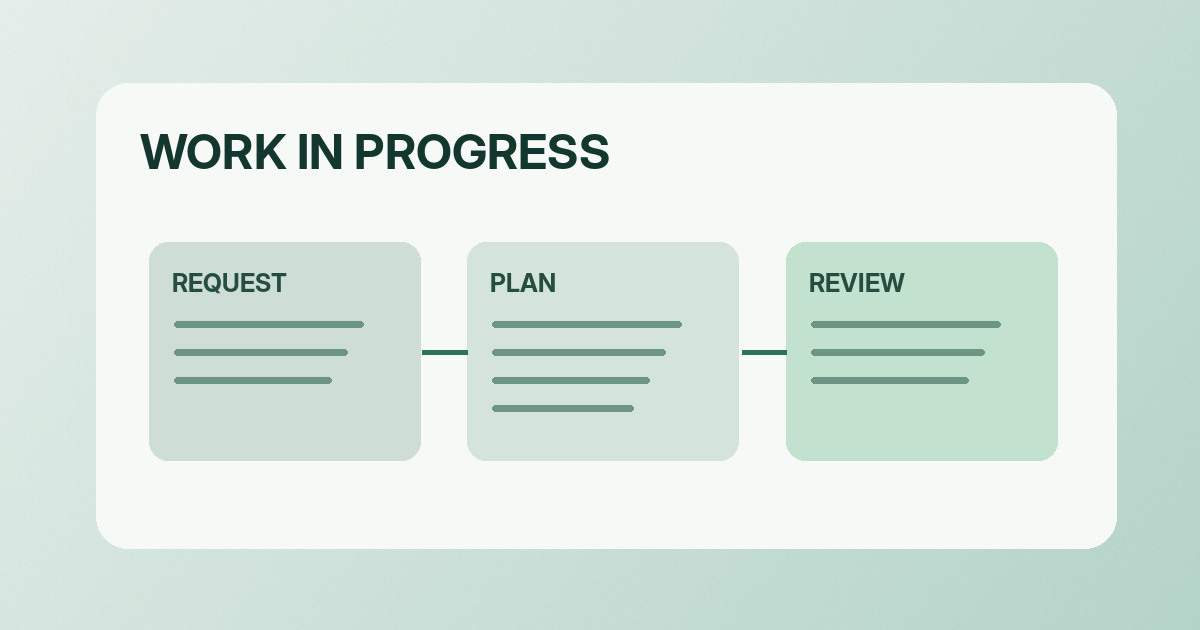
Personal AI is moving toward ongoing assistance between conversations.
OpenAI introduced Dots on September 29 as a direction toward ongoing personal assistance. The important idea is continuity: remembering context, working across connected tools and making progress between interactions, subject to the product’s access and permission settings.
Always-on personal agents bring persistence, connected apps and ongoing tasks into the product conversation. The story below separates the announcement from its broader implications and limitations.
Three things to know
- 01OpenAI describes Dots as persistent agents that can work on goals over time.
- 02The product introduces connected apps and a cloud computer for carrying out work.
- 03Long-running automation raises important questions about user control, oversight and permissions.
What does that actually mean?
Instead of opening an app each time, imagine a tool that can remember a project, monitor relevant developments and bring back progress.
What actually happened
OpenAI describes Dots as persistent agents that can work on goals over time. The product introduces connected apps and a cloud computer for carrying out work.
OpenAI describes Dots as agents with their own cloud computer, lasting context and connections to external applications. Their promise depends on working reliably beyond a single chat turn.
Why this matters
Most assistants still wait for a person to ask for each step. An ongoing agent changes the relationship: the software maintains context and may make progress while the user is away. That could be useful for recurring research and administration.
Users should be able to see which apps are connected, inspect activity and control what the agent may do autonomously. Persistent access creates a different privacy and security profile from single-use prompts.
What to be careful about
Always-on does not mean unlimited authority. Access, geographic rollout and supported connections can vary, and users should understand approval controls before linking sensitive accounts.
What to watch next
Watch how these agents present activity histories, handle changing goals and request authorization before important actions. The quality of oversight may matter as much as task capability.
A mature experience needs understandable activity logs, dependable pause controls and explicit authority boundaries, especially for spending or sharing information.
The original OpenAI announcement is linked below and is dated 2026-09-29. This article distinguishes that primary-source record from editorial interpretation. See the announcement
Continuous assistance brings a different set of risks from a one-off chat.
The practical consequence
A persistent agent may help track developments in a long-running project, prepare material between discussions or notice when connected information changes. These benefits depend on clear authority and sensible notification behavior.
The important controls are the quiet ones: reviewing connected access, understanding what the agent remembers and withdrawing a permission when a task is finished. Users need to remain in charge.
A question worth asking
Can people see what an assistant did, why it did it, and what data it used?
A useful way to assess the announcement beyond the headline.Read further
Original announcements and independent coverage, linked directly for closer reading.


