Useful AI for work requires a balance of reasoning, responsiveness and reliability.
Anthropic introduced Sonnet 5.5 on September 28 and reported improved speed and economics for many workloads. For teams using AI in coding or documents, the practical question is not whether the benchmark score is higher, but whether fewer corrections are needed in real workflows.
Anthropic says its latest Sonnet is faster and more economical for many coding and document workflows. The story below separates the announcement from its broader implications and limitations.
Three things to know
- 01Anthropic announced Sonnet 5.5 on September 28, 2026.
- 02The company reports more speed and lower cost for many tasks than Sonnet 5.
- 03Its intended use cases include coding, bug fixing and document-heavy work.
What does that actually mean?
A coding assistant is more valuable when it can track a task across many files than when it only produces clever individual snippets.
What actually happened
Anthropic announced Sonnet 5.5 on September 28, 2026. The company reports more speed and lower cost for many tasks than Sonnet 5.
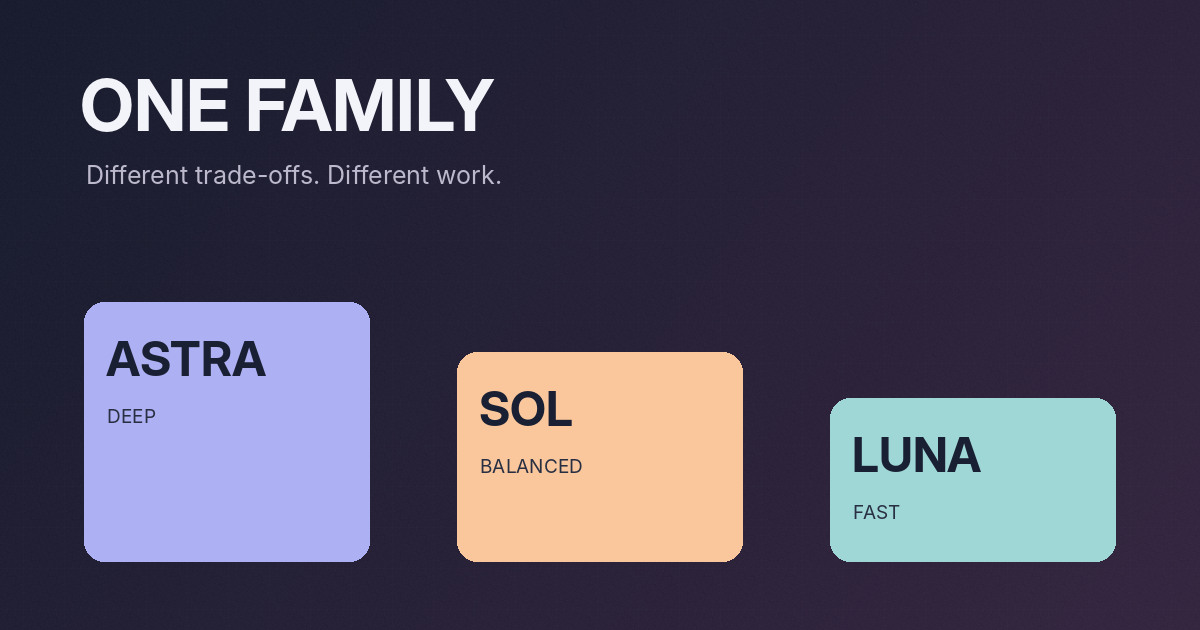
Anthropic describes improvements across well-scoped professional work and agentic coding. It also distinguishes the Sonnet tier from the higher-end Opus family and the smaller Haiku tier.
Why this matters
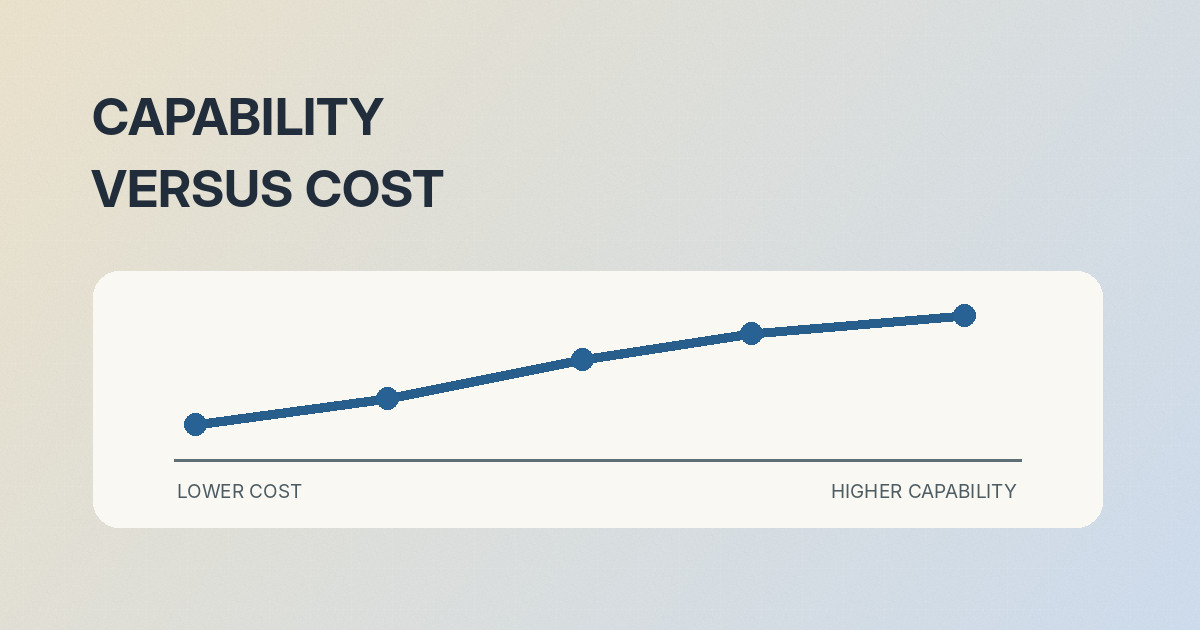
The middle tier is often where practical AI adoption happens. If a model handles a large share of routine tasks quickly, organizations can reserve their most expensive tools for cases that really need them.
Faster generation can improve a workflow only if the result needs no extra correction. A reliable model that requires less rework can be more productive than one with better isolated benchmark scores.
What to be careful about
Vendor benchmarks are useful starting points, not substitutes for application-specific testing. Performance can differ markedly across programming languages, document formats and tool chains.
What to watch next
Compare model behavior on representative internal tasks and include both the cost of corrections and the time required for human review.
Use a representative sample of bug fixes, spreadsheet edits and document tasks. Require objective acceptance criteria wherever possible.
The original Anthropic announcement is linked below and is dated 2026-09-28. This article distinguishes that primary-source record from editorial interpretation. See the announcement
Company-reported speed and price improvements depend on the compared tasks, token usage and configuration.
The practical consequence
An assistant used for a coding project should be able to keep track of requirements, understand the surrounding code and recover after a test fails. Single impressive code examples do not show that entire workflow.
Evaluate how the system handles revisions, ambiguity and constraints over time. A smaller amount of reliable output may be more valuable than a larger amount that requires extensive rework.
A question worth asking
Does a faster model still save time after review, debugging and rework?
A useful way to assess the announcement beyond the headline.Read further
Original announcements and independent coverage, linked directly for closer reading.