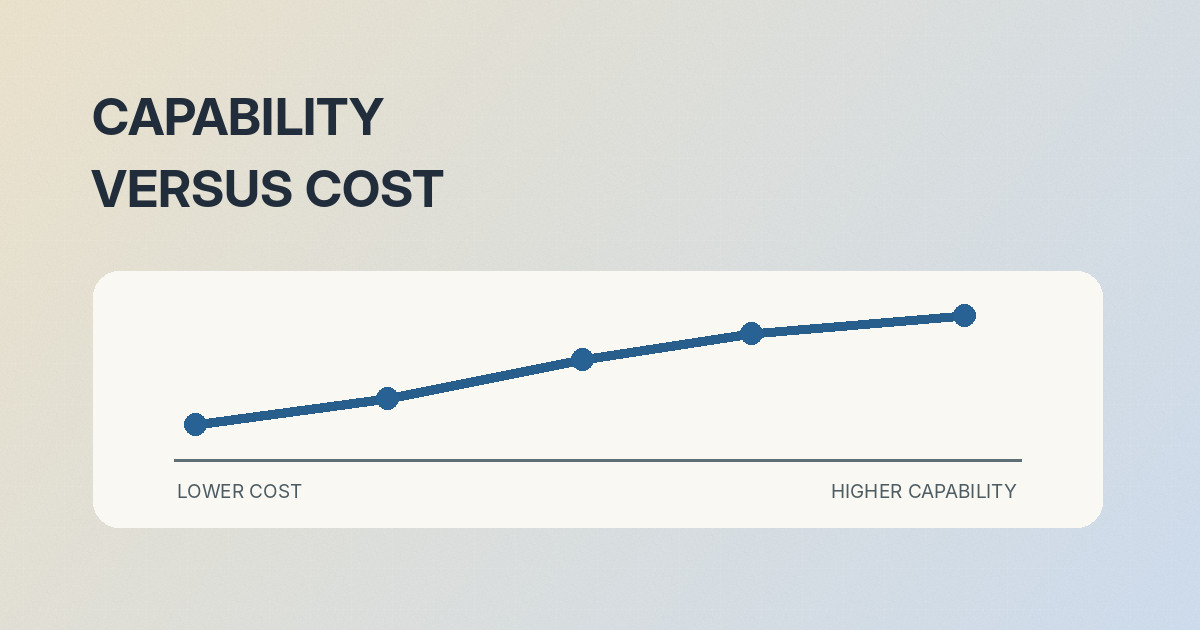
Choosing an AI model is increasingly a practical trade-off between capability, delay and cost.
OpenAI’s September 29 announcement introduced GPT-6.1 Sol. Beyond model names, the practical issue is the balance among capability, latency and expense. A useful AI service should be evaluated on a representative workload, not a promotional best-case example.
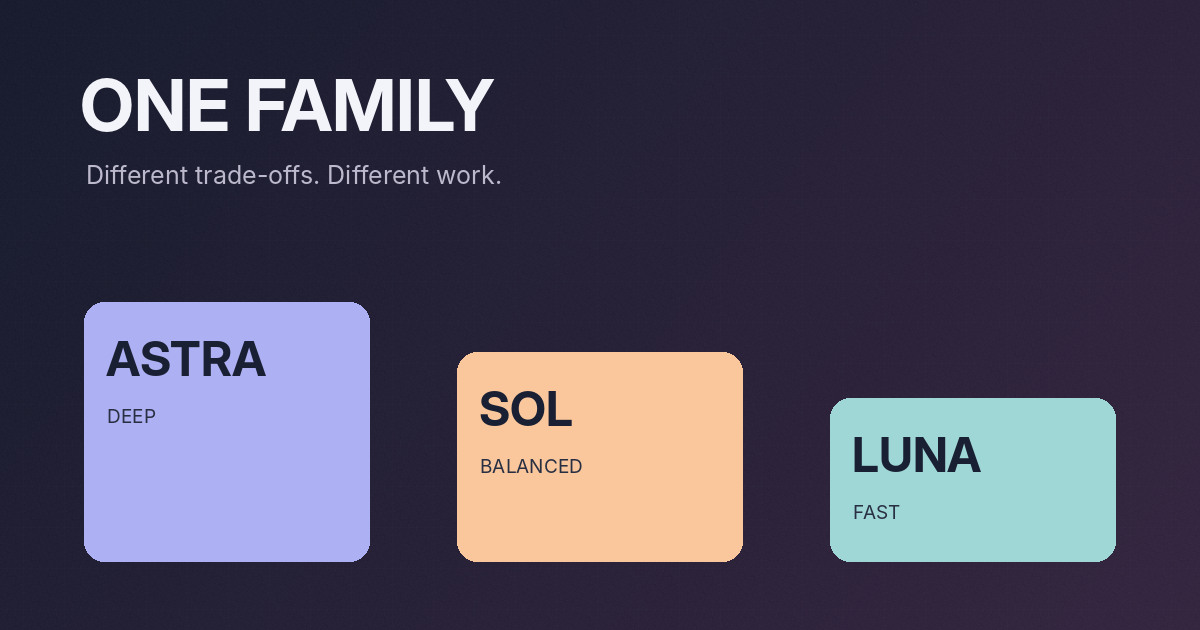
OpenAI positions Sol as a lower-priced route to capabilities approaching its larger Astra model. The story below separates the announcement from its broader implications and limitations.
Three things to know
- 01OpenAI introduces GPT-6.1 Sol as a speed and cost alternative to Astra.
- 02The announcement cites lower standard token prices compared with Astra.
- 03Real value depends on task completion cost, not price per token alone.
What does that actually mean?
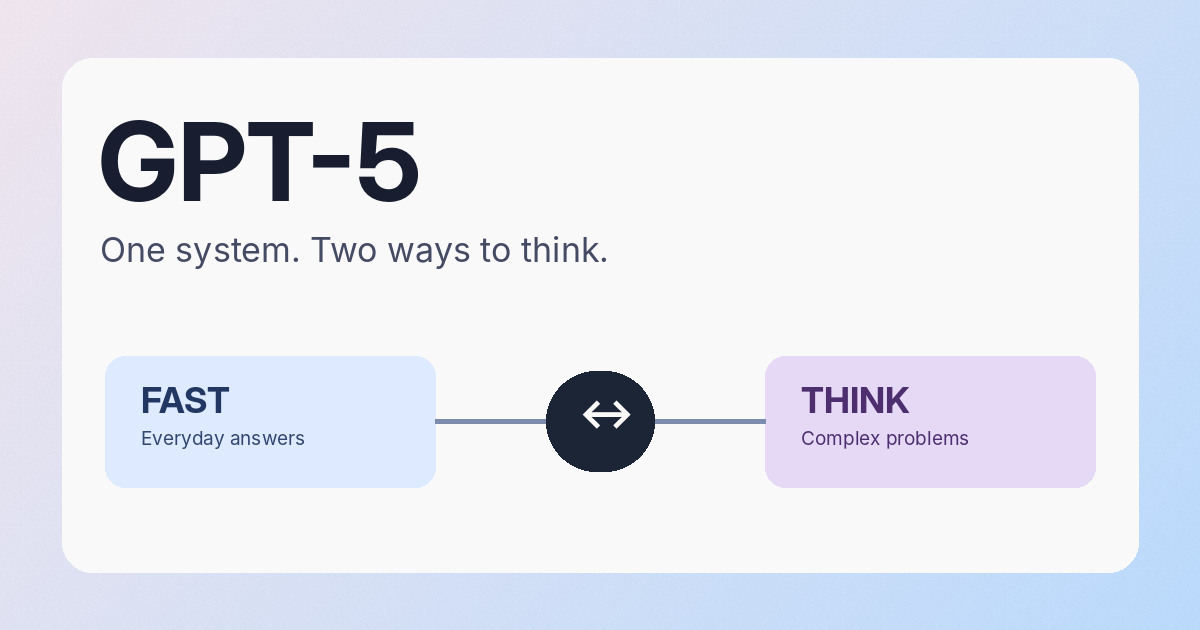
A quick answer can be enough for a simple task; a complicated problem may justify more computation and deeper checking.
What actually happened
OpenAI introduces GPT-6.1 Sol as a speed and cost alternative to Astra. The announcement cites lower standard token prices compared with Astra.
The launch positions Sol near Astra on selected advanced tasks while charging substantially less for standard API tokens. That combination matters most for workflows with repeated calls.
Why this matters
A smaller bill for a similar task can change what developers can put into production. But cheaper tokens do not guarantee cheaper outcomes: a model that needs retries, longer prompts or extra tool calls may cost more per completed job.
The cost of a completed case may include model tokens, file processing, tool use and reviewer time. Benchmark a complete workflow rather than extrapolate from one published token rate.
What to be careful about
Price comparisons and performance descriptions come from the model vendor. Buyers should test their own workloads for quality, latency, tool reliability and total cost.
What to watch next
Compare end-to-end workflows under fixed evaluation conditions, including failed attempts and human review. For repeated context, also consider caching behavior and the economics of long conversations.
Compare a few fixed jobs using identical inputs, limits and stopping criteria. Record failure rates as well as average performance.
The original OpenAI announcement is linked below and is dated 2026-09-29. This article distinguishes that primary-source record from editorial interpretation. See the announcement
If a more capable model completes a difficult job with fewer retries, it may be cheaper overall.
The practical consequence
A drafting assistant and a system reviewing complex technical arguments may need different settings. There is little value in paying for maximum deliberation when the task itself is straightforward.
Set up a short test collection from your real workload and measure quality, latency and correction effort together. A well-matched model is the one that produces dependable outcomes within constraints.
A question worth asking
What is the cost of one correctly completed task, not just one generated answer?
A useful way to assess the announcement beyond the headline.Read further
Original announcements and independent coverage, linked directly for closer reading.